CAD Meal Plan: Heart-Healthy Foods and 1-Day Sample
What is the meal plan for coronary artery disease?
A coronary artery disease (CAD) meal plan is a heart-focused way of eating designed to help lower LDL (“bad”) cholesterol, manage blood pressure, support healthy weight, and reduce inflammation. It emphasizes minimally processed foods, fiber-rich plants, and healthier fats while limiting sodium, added sugars, and saturated fat.
Answer
A practical CAD meal plan looks a lot like a Mediterranean-style pattern with a few clear targets:
Build meals around plants
Fill at least half your plate with vegetables and fruits. Add beans, lentils, and whole grains (oats, brown rice, quinoa, whole-wheat pasta) to boost soluble fiber, which can help lower LDL cholesterol.
Choose lean proteins more often
Prioritize fish (especially salmon, sardines, trout) 2 times per week, skinless poultry, beans, tofu, and low-fat dairy. If you eat red meat, keep portions small and less frequent, and avoid processed meats (bacon, sausage, deli meats).
Swap in heart-healthy fats
Use olive or canola oil instead of butter. Include nuts, seeds, and avocado in sensible portions. Limit saturated fats (full-fat cheese, fatty cuts of meat, coconut oil) and avoid trans fats.
Keep sodium and added sugar in check
Aim for mostly home-prepared meals, choose “no-salt-added” canned goods, and flavor with herbs, citrus, garlic, and spices. For drinks, stick with water, unsweetened tea, or black coffee; skip sugary beverages.
Sample one-day outline
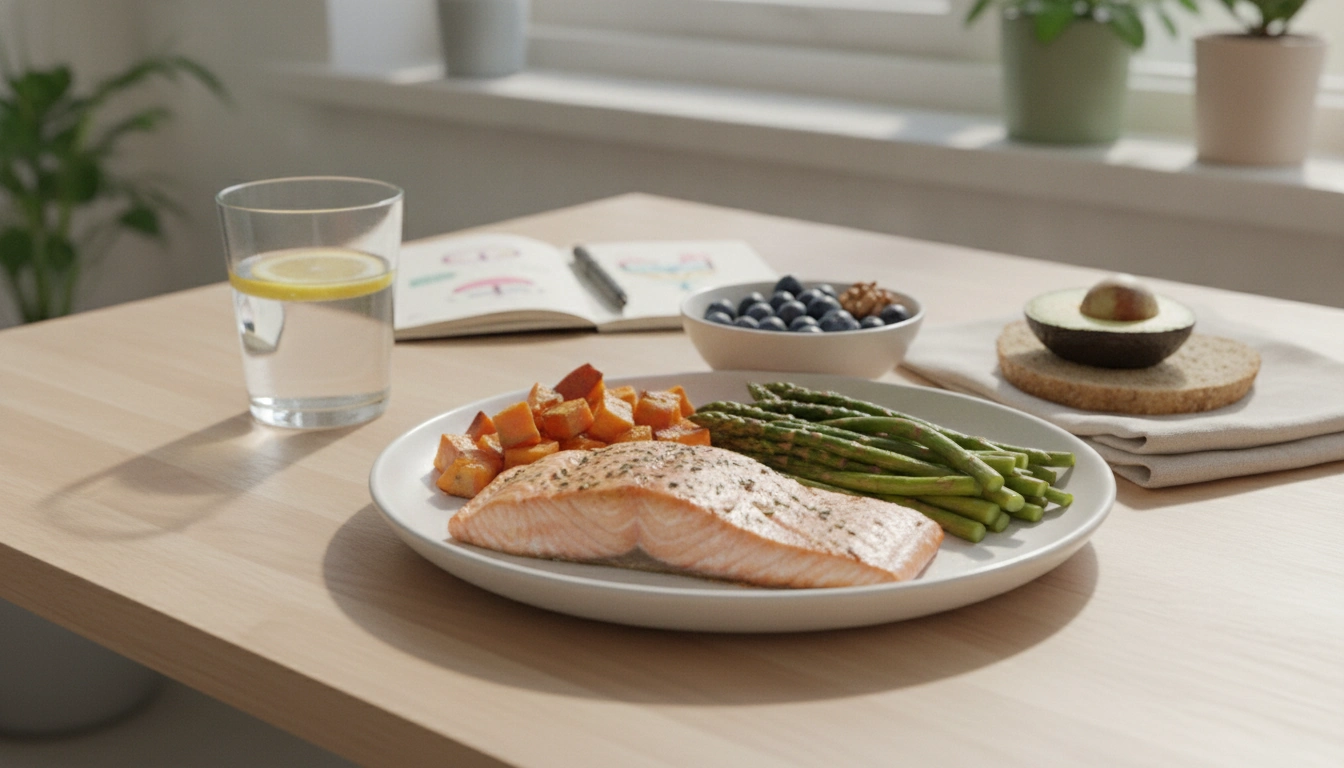
Breakfast: oatmeal with berries and chopped walnuts. Lunch: big salad with chickpeas, olive oil + vinegar, and whole-grain bread. Snack: plain Greek yogurt with fruit. Dinner: baked salmon, roasted vegetables, and quinoa.
For a more detailed, food-by-food guide and tips on making it easy to follow, visit the main article on coronary artery disease meal planning.
For CAD Meal Plan: Heart-Healthy Foods and 1-Day Sample, the best answer depends on fit, material, care instructions, and how the product will be used day to day.
FAQ
What foods should you avoid with coronary artery disease?
Limit processed meats, fried foods, pastries, and packaged snacks high in saturated fat, trans fat, sodium, and added sugars. Also go easy on high-sodium restaurant meals and creamy sauces.












Leave a comment