Better Solo Traveler: Street-Smart Safety & Routines
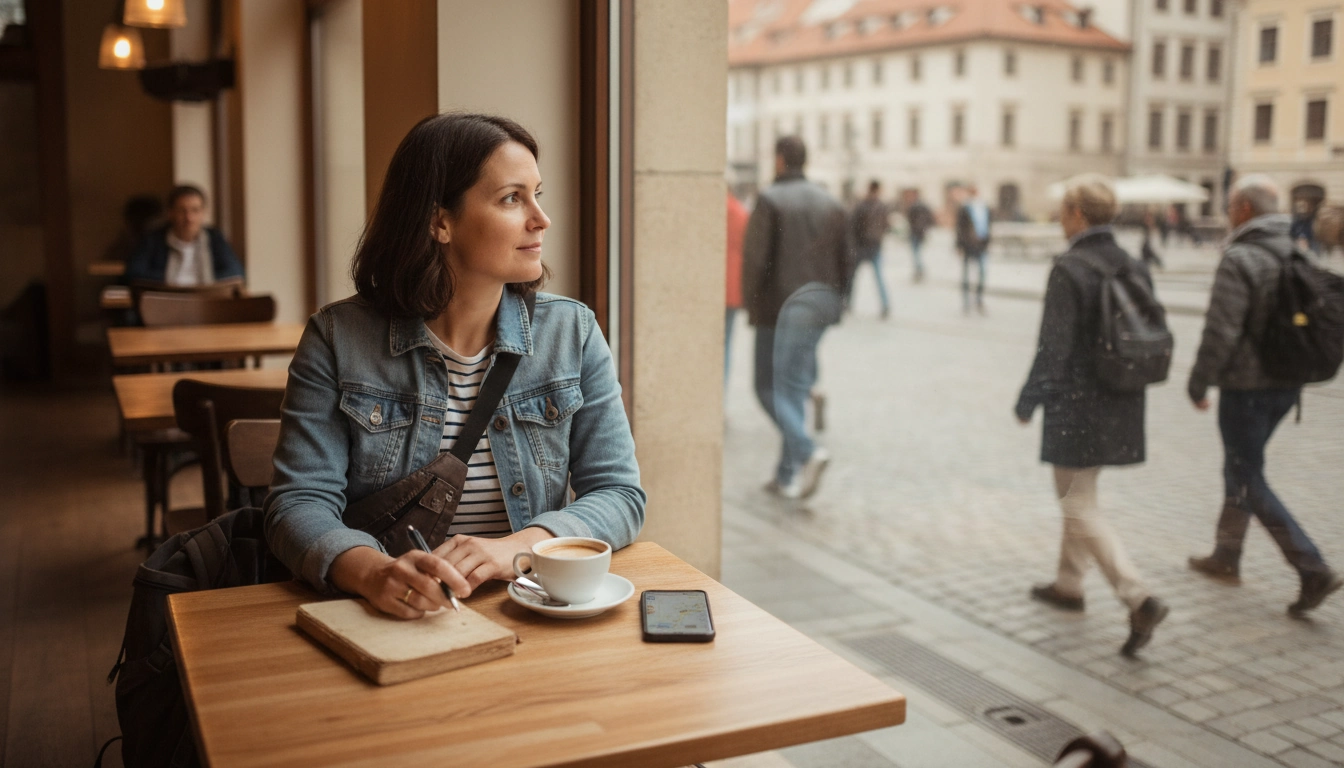
How to be a better solo traveler?
Being a better solo traveler comes down to two things: staying confident in unfamiliar places and building routines that keep you safe, comfortable, and flexible. The goal isn’t to plan every minute—it’s to remove the most common points of stress so you can focus on the experience.
Start with a simple safety system
Pick a few non-negotiables and repeat them daily: share your rough itinerary with a trusted person, keep your phone charged, and know how you’ll get back to your lodging before it gets late. Store a digital copy of your passport and key documents in a secure cloud folder and keep a backup payment method separate from your wallet.
Use “street smarts” over strict rules
Blend in by keeping valuables out of sight and avoiding distractions (like walking with your phone out). When something feels off, leave early—solo travel rewards quick decisions. Ask staff at your hotel, café, or tour desk what areas to avoid and which transit routes are most reliable.
Make planning lighter, not heavier
Reserve only what’s hard to replace (first night’s stay, must-do tickets), then leave space for spontaneous choices. Save key locations offline—your lodging, a nearby pharmacy, and the closest transit hub—so you can navigate even without service.
Build connection without giving up independence
Join a walking tour, take a cooking class, or sit at the bar instead of a secluded table. These small choices create natural conversation while keeping you in public, well-lit spaces.
For a practical checklist and more street-smart tips, read the full guide here: Solo Travel Safety: Street Smarts Checklist.
For Better Solo Traveler: Street-Smart Safety & Routines, the best answer depends on fit, material, care instructions, and how the product will be used day to day.
FAQ
What should I pack for solo travel safety?
Carry a small crossbody or anti-theft bag, a portable charger, and a backup payment option stored separately. Add basic first-aid items and any essential prescriptions in your personal item, not a checked bag.








Leave a comment