Solo Travel Safety: Street Smarts + Printable Checklist
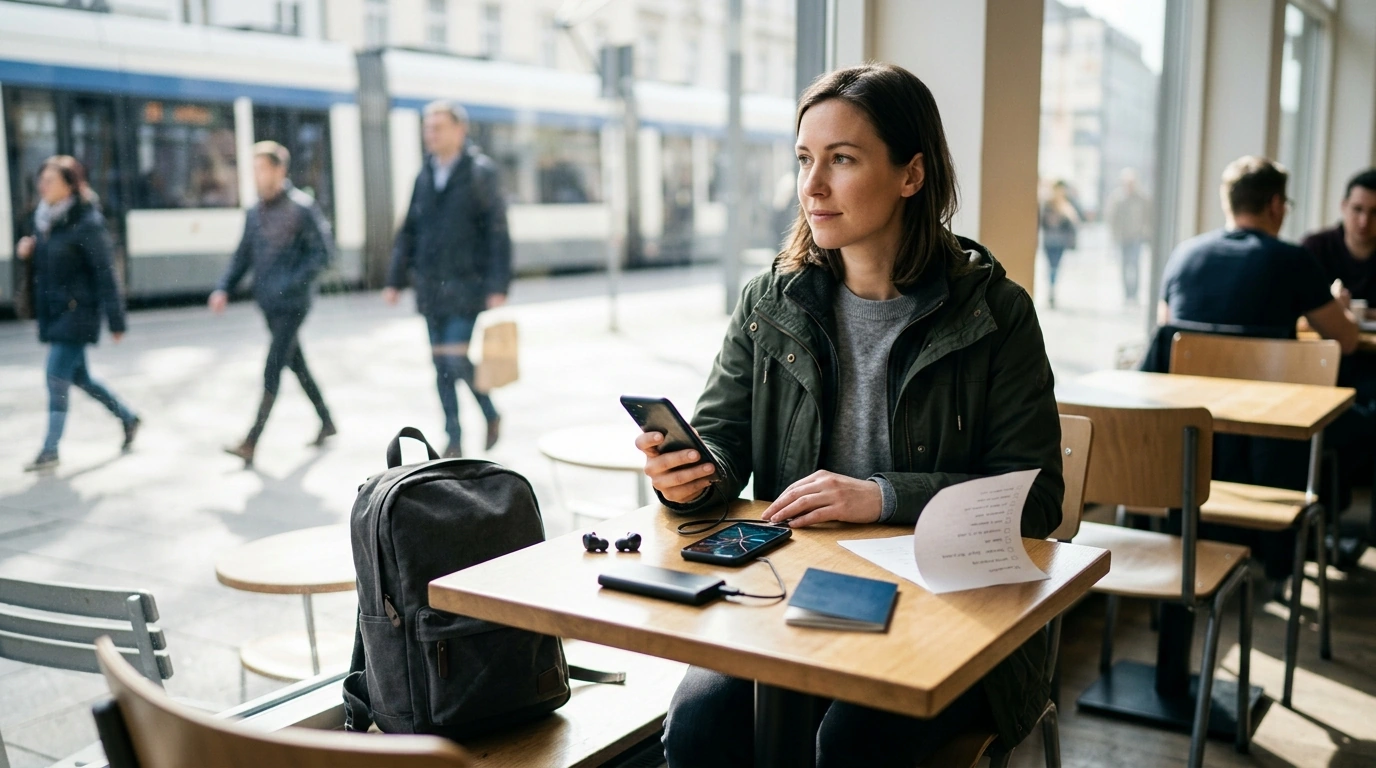
Solo Traveler’s Guide to Staying Safe: Planning, Street Smarts, and a Practical Checklist
Solo travel can feel freeing and empowering, but it also places every decision—timing, transportation, lodging, and communication—on one set of shoulders. Safety gets much easier when it’s treated like a simple system: plan before departure, reduce risk while moving through new places, and know what to do if something goes wrong. The goal isn’t to travel scared—it’s to travel prepared, using small routines that quietly lower your exposure without hijacking the experience.
Safety mindset: build habits, not fear
The safest solo travelers don’t rely on luck. They rely on repeatable habits that are easy to keep even when tired, jet-lagged, or overwhelmed.
- Aim for “low-friction safety.” Choose protections that don’t add stress: a backup payment method, a daily check-in routine, and clear personal boundaries.
- Trust pattern recognition. If something feels off, create distance first and analyze second. You don’t need a courtroom level of proof to leave a situation.
- Keep a calm default. Purposeful walking, confident posture, and minimal distraction make you less “available” to opportunists.
- Set personal rules before arrival. Examples: no isolated shortcuts at night, no sharing lodging details with strangers, and limit alcohol when you’re alone.
Pre-trip security planning that pays off fast
A short planning sprint can save hours (and a lot of anxiety) later. Before you go, research practical risks like common scams, neighborhood boundaries, transit reliability, and local emergency numbers. Authoritative travel advisories and health guidance are also worth a quick review, such as the U.S. Department of State travel resources and the CDC Travelers’ Health site.
Then build redundancy—because solo travel is easier when one failure doesn’t become three failures.
- Share an itinerary snapshot with a trusted contact: lodging addresses, key transport bookings, and your general route.
- Create document backups: scans of passport/ID, visas, insurance, and critical reservations stored securely.
- Set up phone safety: strong passcode, device encryption, remote wipe, and a lock screen message with an alternate contact method.
- Choose arrival times strategically: daytime arrivals reduce the pressure of first-time navigation.
Quick pre-trip safety plan (15–30 minutes)
| Task | What to prepare | Where to store it |
|---|---|---|
| Emergency contacts | Local emergency number, embassy/consulate, 2 trusted contacts | Phone favorites + printed card in wallet |
| Document backup | Passport/ID scan, visas, insurance, key reservations | Encrypted cloud + offline file on phone |
| Money backup | Second card, small cash in local currency or USD/EUR | Separate pocket/bag compartment |
| Comms plan | Check-in schedule, what to do if you miss one | Shared note with trusted contact |
| Arrival plan | Safe route from airport/station, verified transport options | Saved map + screenshot |
Choosing lodging and transportation with fewer weak points
Most travel problems happen in predictable places: arrivals, transitions, and late-night decision-making. Good choices here remove “weak points” before they show up.
Lodging
- Prioritize strong location reviews and properties with 24/7 reception or clear, secure self-check-in.
- Pick a safer room setup when possible: avoid ground-floor rooms facing public walkways; verify window and door locks right away.
- Keep your “who knows where I stay” circle small. Don’t say your room number out loud at the desk and don’t share lodging details with new acquaintances.
Transportation
- Use official routes and providers: licensed cabs, established rideshare, or official taxi apps. Confirm the plate and driver before entering.
- Night movement requires fewer improvisations: plan your route before leaving, avoid isolated platforms or empty carriages, and sit near other riders or the driver.
Street smarts: common situations and how to handle them
Street smarts isn’t about being suspicious of everyone—it’s about reducing opportunities for someone to take advantage of confusion, distraction, or politeness.
Digital safety: phones, Wi‑Fi, and privacy while traveling solo
A practical solo travel safety checklist (printable-style)
What to do if you lose your phone, wallet, or passport
Phone
Cards/cash
Passport
Digital download guide: an easy way to keep your plan in one place
A structured plan is easier to follow when it’s written down and reusable for each trip. If you prefer a ready-to-use format, Solo Traveler’s Guide to Staying Safe (PDF download) keeps your checklists, routines, and emergency steps organized in one offline-friendly file.
- Modern Etiquette Micro-Course | Printable Digital Etiquette Guide for confident boundary-setting and social situations on the road.
- Pet Travel Essentials Checklist for Safe Trips if you’re traveling solo with an animal and want a simple, printable packing and safety list.
FAQ
What are the top safety rules for solo travelers?
Plan your arrivals and transportation ahead of time, keep your lodging details private, and use simple routines like daily check-ins. Carry backups for money and documents, and trust your instincts—create distance first if something feels wrong.
How can a solo traveler stay safe at night?
Stick to well-lit routes you’ve previewed, avoid isolated shortcuts, and use official transportation rather than improvised rides. Limit alcohol, stay near other people, and give yourself an easy exit plan if a place or person makes you uncomfortable.
What should be in a solo travel safety checklist?
Include document and payment backups, offline access to key addresses and emergency numbers, phone security steps, and a check-in plan. Add clear actions for lost phone/wallet/passport so you can respond quickly without guessing.











Leave a comment